





I. Project Background and Needs
In April 2026, the Ministry of Education and four other departments jointly issued the "AI + Education" Action Plan, clarifying the development goals for deep integration of artificial intelligence and education during the "15th Five-Year Plan" period, promoting the comprehensive upgrade of campus digitalization from "basic informatization" to "deep intelligence," requiring the acceleration of AI education popularization in primary and secondary schools, the development of intelligent teaching systems to support the entire process of lesson preparation, teaching, and homework, and the creation of an educational intelligent brain focusing on scenarios such as campus safety and resource allocation. Under the policy dividend, smart campus construction has become a core driver of educational digital transformation.
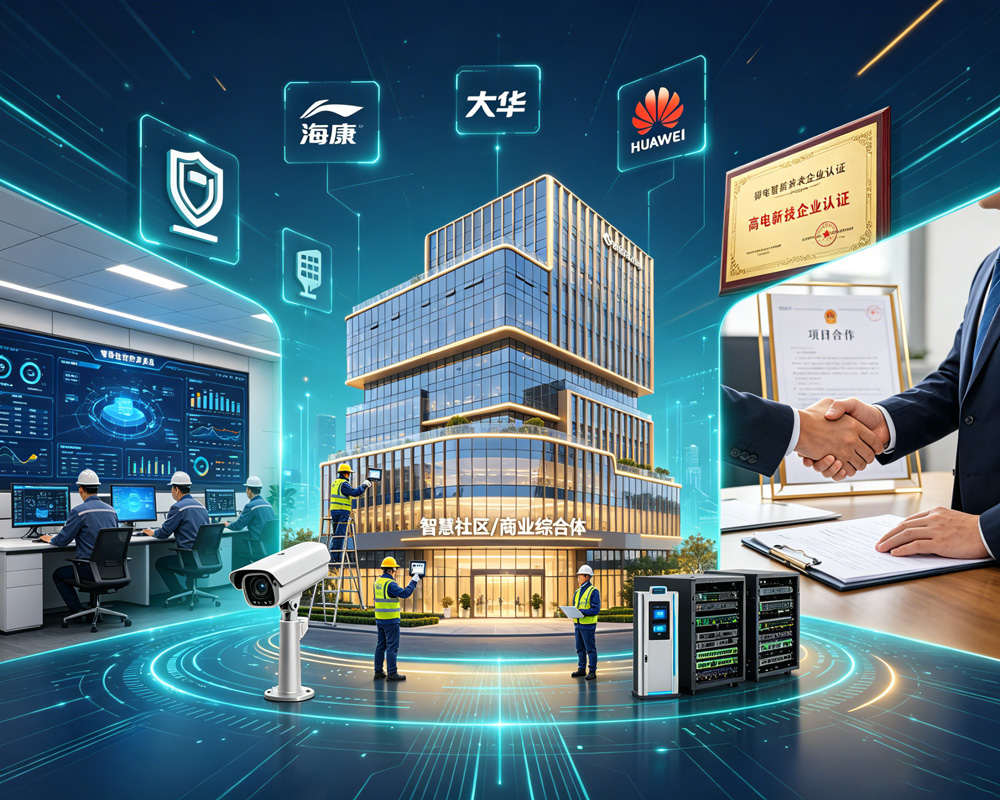
Yuyang District, Yulin City is at a critical stage of education quality improvement and campus upgrading and renovation. Traditional campuses face pain points such as single-dimensional teaching models, insufficient personalized tutoring, reliance on manual security management, and extensive logistics energy consumption. In March 2025, Shaanxi Yunong Yunzhi Intelligent Technology Co., Ltd. cooperated with the Yuyang District Education Bureau and a smart technology company to launch pilot demonstration construction of AI self-study rooms and security monitoring at Yulin No.1 Middle School and Yulin No.17 Primary School. Leveraging the industrial resources of Yunong Technology Group (stock code: 834487), the company possesses weak-current intelligent system integration capabilities and an AI, IoT, and big data technology foundation, and can provide integrated solutions from planning and design to construction, operation, and maintenance for smart campus construction in Yuyang District.
II. Overall Architecture
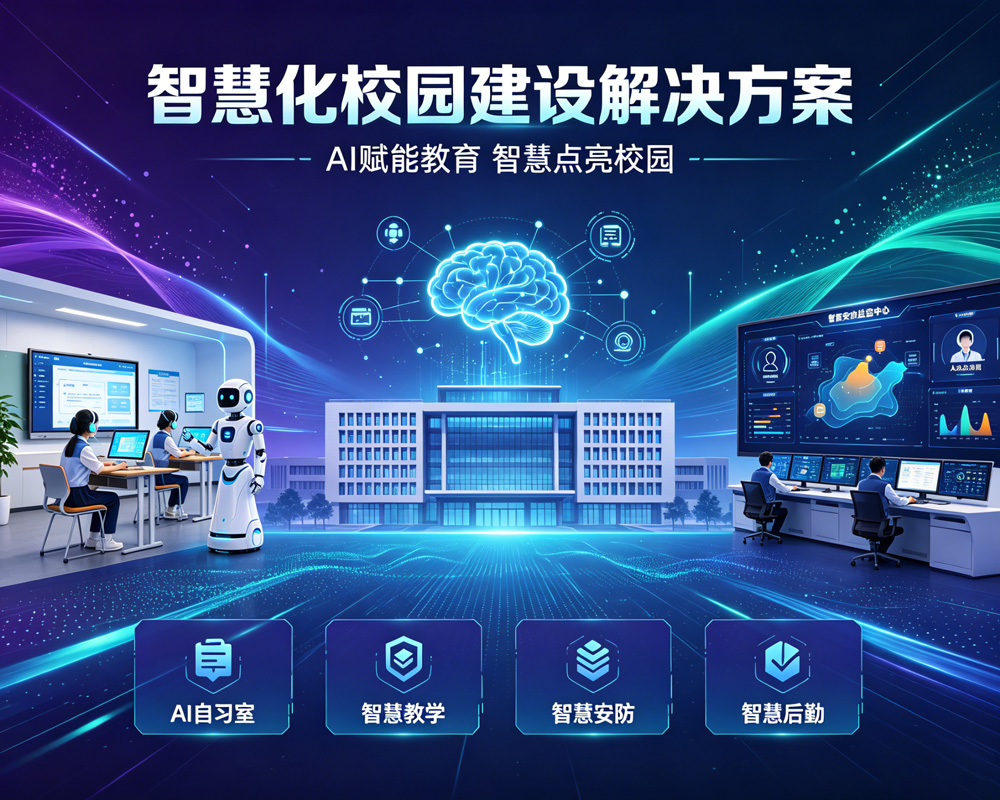
The solution adopts a four-layer architecture of "perception layer—network layer—platform layer—application layer." The perception layer deploys intelligent cameras, facial recognition terminals, environmental sensors, smart electricity meters, teaching terminals, and other equipment to achieve full-element perception of people, affairs, and objects on campus; the network layer relies on the dual-network integration of all-optical networks and 5G+WiFi6 to ensure high-speed and stable coverage throughout the campus; the platform layer builds a unified campus digital foundation and campus brain intelligent hub, integrating multi-source data from academic affairs, security, logistics, and teaching, providing basic capabilities such as data governance, AI model training, and security management and control; the application layer targets three types of users—administrators, teachers, and students—providing scenario-based services such as AI self-study rooms, smart teaching, smart security, and smart logistics.
III. Core Application Modules
(1) AI Self-Study Rooms and Smart Teaching. Build AI intelligent self-study rooms equipped with adaptive learning terminals and AI teaching assistants. Based on student learning data, personal knowledge graphs are constructed to intelligently push personalized learning resources and practice questions, achieving precise individualized instruction; the AI Q&A system supports multimodal voice and text interaction, answering student questions in real time and reducing teachers' tutoring burden. Support the upgrade of smart classrooms with class-wide AI teaching assistants covering the entire process of courseware generation, knowledge point organization, interactive Q&A, and classroom management, effectively reducing teachers' workload and improving efficiency; deploy an intelligent homework grading system supporting automatic grading of objective questions and AI-assisted evaluation of subjective questions, quickly generating learning analysis reports; explore VR/AR virtual simulation experiments to allow students to immersively experience historical scenes and scientific experiments, enhancing learning interest and effectiveness.
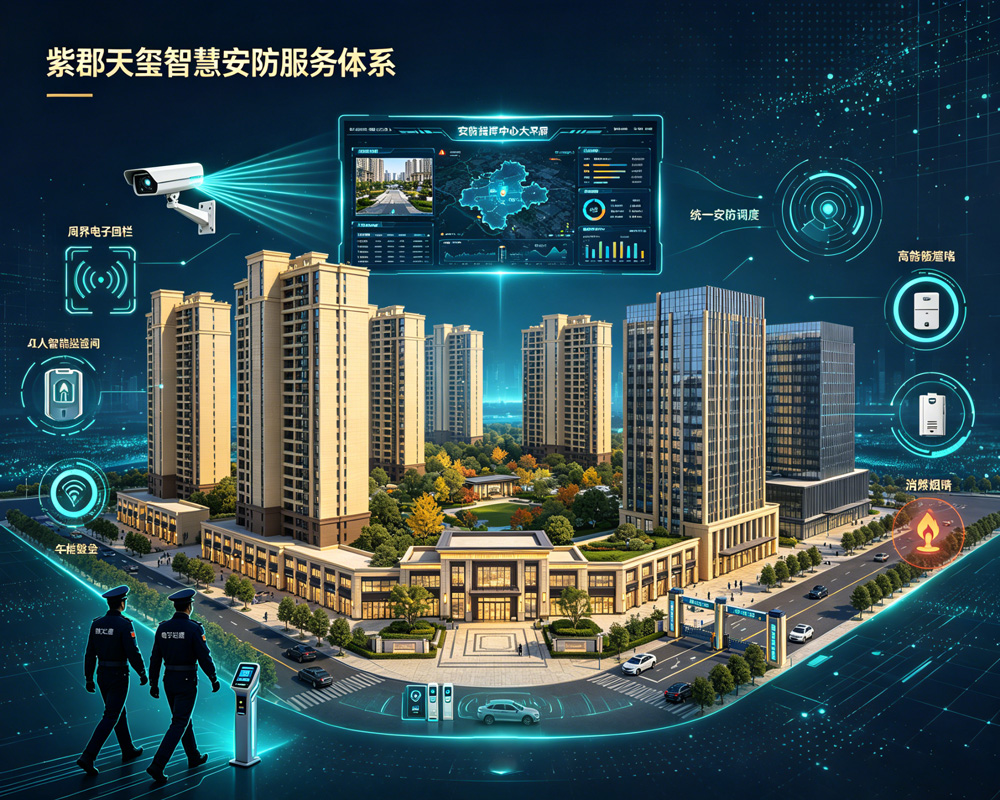
(2) Smart Security and Campus Management. Build a comprehensive intelligent security surveillance system. Leveraging AI video analysis technology, it enables facial recognition access control, perimeter intrusion detection, crowd density analysis, and abnormal behavior alerts (such as fighting or people falling), comprehensively improving campus security levels; facial recognition access systems are deployed at school gates, supporting seamless passage for teachers and students and visitor appointment management, achieving full-process control of on-campus personnel and off-campus visitors; integrate video surveillance, access control, campus cards, fire protection, and other subsystems to establish a unified security dispatch platform that automatically triggers linked pop-ups and precise positioning during alarms, improving emergency response efficiency. Support the construction of a campus one-network service platform integrating high-frequency services such as leave requests, repair reporting, fee payment, and grade inquiry, achieving "at most one visit" for teachers and students; build digital profiles of teachers and students, providing managers with precise decision-making support based on teaching, attendance, and consumption data.
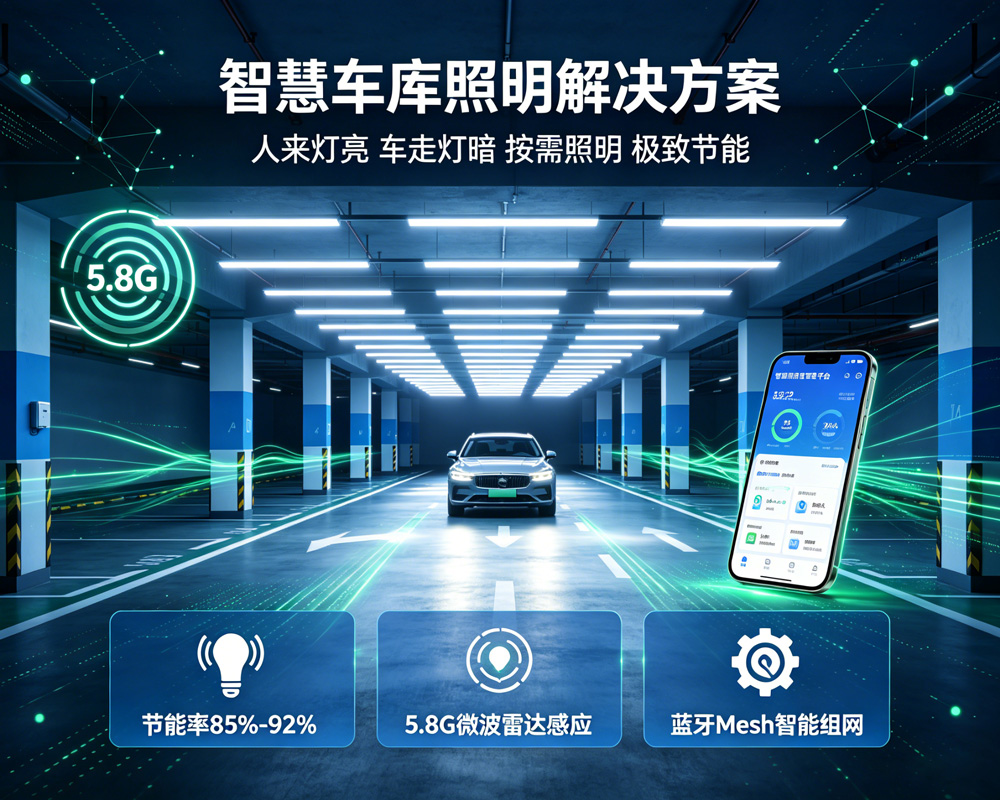
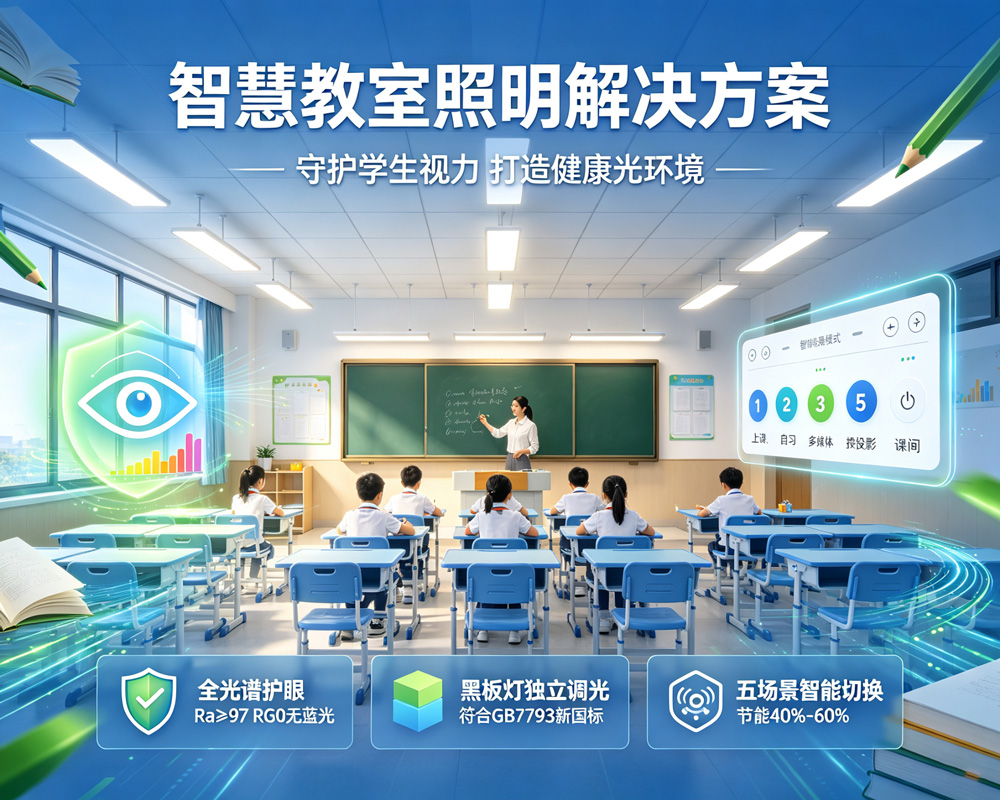
(3) Smart Logistics and Energy Management. Deploy smart electricity meters, water meters, and environmental sensors to monitor and intelligently control lighting, air conditioning, and water usage in classrooms, offices, libraries, dormitories, and other areas in real time, automatically switching equipment on and off based on schedules and personnel presence, reducing campus energy consumption by more than 15%; build smart cafeterias supporting intelligent settlement, nutritional analysis, and food safety traceability; deploy intelligent dormitory management systems enabling curfew attendance checking, prohibited appliance identification, and intelligent water and electricity management.
IV. Implementation Path
The project is advanced in three phases: Phase I (2026) builds on the pilot at Yulin No.1 Middle School and No.17 Primary School to improve AI self-study rooms and smart security systems, forming a replicable demonstration model, while simultaneously initiating the construction of smart classrooms and the one-network service platform; Phase II (2027–2028) expands coverage to complete smart campus renovation of major primary and secondary schools in Yuyang District, establishing a regional education big data center and campus brain, with AI teaching and smart security achieving normalized application; Phase III (2029–2030) deepens AI applications and data operations, builds a regional smart education ecosystem, promotes the co-construction and sharing of quality educational resources, and helps Yuyang District's education digital transformation lead the city.
V. Expected Outcomes
After the solution is implemented, the level of smart campus construction in Yuyang District will be significantly improved: AI self-study rooms covering more than 80% of students in pilot schools, personalized learning resource push accuracy reaching over 90%, and teacher lesson preparation and homework grading time reduced by 30%; smart security achieving 100% coverage of key campus areas, abnormal event alert response time reduced by more than 50%, and a significant decrease in campus safety incident rates; smart logistics reducing comprehensive campus energy consumption by more than 15% and improving logistics management efficiency by 40%. At the same time, the project will drive the clustering of educational technology, intelligent hardware, digital content, and other industries, create employment opportunities, inject digital momentum into the high-quality development of education in Yuyang District, and establish a regional benchmark for smart campus construction.